
Bentley's Dog Food White Fish Chunks by Bentley’s
100% meatDry · Adult
Excellent£28.00/kg, out of stock

6 prices from AATU
First ingredients: Duck (66%), Dried Duck (14%), Peas, Sweet Potato, Apple… All ingredients
Label taken from the maker’s websiteListed first: Duck. 80% of the recipe is declared meat.
Duck (66%), Dried Duck (14%), Peas, Sweet Potato, Apple, Chickpeas, Minerals, Salmon Oil, Tapioca, Glucosamine 178mg/kg, Methylsulfonylmethane 178 mg/kg, Chondroitin 125 mg/kg, Lucerne, Cranberry, Pear, Blueberry, Mulberry, Orange, Bilberry, Cowberry, Carrot, Tomato, Chicory, Parsley, Peppermint, Spirulina, Seaweed, Oregano, Sage, Marjoram, Thyme, Chamomile, Rosehip, Stinging Nettle, Yucca, Marigold, Aniseed, Fenugreek, Cinnamon
Meat named animal protein
From the maker’s website, checked 28 Sep 2026.
Vitamins: Vitamin A (Retinyl Acetate) 18,000 IU, Vitamin D3 (Cholecalciferol) 1,400 IU, Vitamin E (Rac-alpha Tocopherol Acetate) 200 mg, L-Carnitine 200 mg Trace Elements: Zinc (as Zinc chelate of glycine hydrate) 100 mg, Iron (as Iron (ll) chelate of glycine hydrate) 60 mg, Copper (as Copper (II) chelate of glycine hydrate) 7 mg, Manganese (as Manganese chelate of glycine hydrate) 6 mg, Iodine (as Calcium iodate anhydrous) 1.5 mg, Selenium (as selenised yeast Saccharomyces cerevisiae CNCM I-3060, inactivated) 0.05 mg Gut Flora Stabilisers: Bacillus Subtilis C-3102 (DSM 15544) 1.0 x 10⁹ CFU
First ingredient: “Duck”. It names the animal.
| On the label | We read it as | Share on the label |
|---|---|---|
| Duck (66%) | Named meat | 66% |
| Dried Duck (14%) | Named meat | 14% |
| Peas | Vegetable, fruit or plant | Not given |
| Sweet Potato | Vegetable, fruit or plant | Not given |
| Apple | Vegetable, fruit or plant | Not given |
| Chickpeas | Vegetable, fruit or plant | Not given |
| Minerals | Other | Not given |
| Salmon Oil | Fat, stock, extract or other processed ingredient | Not given |
| Tapioca | Vegetable, fruit or plant | Not given |
| Glucosamine 178mg/kg | Other | Not given |
| Methylsulfonylmethane 178 mg/kg | Other | Not given |
| Chondroitin 125 mg/kg | Other | Not given |
| Lucerne | Other | Not given |
| Cranberry | Vegetable, fruit or plant | Not given |
| Pear | Vegetable, fruit or plant | Not given |
| Blueberry | Vegetable, fruit or plant | Not given |
| Mulberry | Other | Not given |
| Orange | Vegetable, fruit or plant | Not given |
| Bilberry | Other | Not given |
| Cowberry | Other | Not given |
Read automatically from the label. Spotted a misreading? Tell us
Protein 37% and carbs about 29%, with the water taken out.
| Nutrient | As sold | Dry weight |
|---|---|---|
| Protein | 33% | 37% |
| above the usual 26 to 32% for dry foods | ||
| Fat | 19% | 21% |
| Carbohydrate | ~26% | ~29% |
| below the usual 39 to 50% for dry foods | ||
| Fibre | 2.8% | 3.1% |
| Ash | 9% | 10% |
| Moisturenot on label, 10% assumed | 10% | taken out |
Carbohydrate is our estimate: what is left after the other shares. The usual range is the middle half of the dry foods we rate.
The kind of meat scored best (11.4 of 15). How it’s made scored lowest (6 of 20).
80% declared meat, as weighed before cooking; full marks at 100%.
Protein is 36.7% of the food with the water taken out. Nothing at 20% or less, full marks at 80%.
Estimated carbohydrate: About 29.1% carbohydrate with the water taken out (our estimate). Full marks with no carbohydrate, none at 60% or more.
How it’s made: Extruded kibble: 6 of 20.
The label lists the meat as fresh and dried, which earns 95% of these points. Fresh or raw named meat earns all of them, dried 70%, meal half, hydrolysed a quarter, an unnamed category none.
No organ meat named.
No ingredient deductions.
Each bar is as long as the points it is worth, out of 100 in all.
One scale for every food: meat (45 points), starch (20), how it’s made (20) and kind of meat (15), minus points for a few listed ingredients. It rates the recipe, not your dog.
75 and over is excellent, 60 to 74 good, 45 to 59 fair and under 45 weak.
How we rate foods →Half and half by calories with Happy Dog Pure Goat Dog Food (Sardinia) (scores 83): carbs fall from 29% to 19% by dry weight, and protein is about 46%.
Worked out from both labels, for half the day’s calories from each food. The feeding guides on the packs still set the amounts.
Best wet foods →6 noted, none cost points: chamomile, marjoram, mint and 3 more. 38 flagged nothing.
Plant extras like this are usually added in tiny amounts, so points are taken only when the label declares 1% or more.
The ASPCA lists chamomile as toxic to dogs, with stomach upset and allergic reactions, and warns that long-term use can cause bleeding problems. The amounts in dog food are small; we flag it as a caution.
Can upset a dog's stomach in larger amounts; at the small amounts used as a flavouring, EU assessors found it very unlikely to cause harm.
Mint can upset a dog's stomach if eaten in large amounts; at the small amounts used in food, EU assessors found it safe.
Can mildly upset a dog's stomach in larger amounts; used in small amounts as a flavouring.
Only large amounts cause problems (sun sensitivity); the small amounts used in food aren't a concern.
Added to reduce stool odour. The ASPCA lists the yucca plant as toxic to dogs, and in a dog study the extract raised a liver enzyme at 750 mg/kg of food, though not at 500. Labels rarely give the amount. We note it, but take no points off.
Alfalfa, aniseed, apples, blueberries, carrot, chickpeas, chicory root extract, chondroitin, cinnamon, citrus pulp, cranberries, duck, fenugreek, glucosamine, l-carnitine, marigold meal, minerals, MSM (methylsulfonylmethane), nettle, pear, peas, rosehips, sage, salmon oil, seaweed, spirulina, sweet potato, tapioca, thyme, tocopherols (vitamin E), tomato
Allowed up to a legal maximum, none declared above it: copper, iodine, iron, manganese, selenium, vitamin A (retinyl acetate), vitamin D3 (cholecalciferol)
Checked against the EU Catalogue of Feed Materials and FEDIAF guidelines.
Bilberry, cowberry, mulberry
Not in our ingredient database yet, so no judgement either way.
Notes come from published sources about each ingredient, not about this food. How we decide
One shop we track sells this: AATU. Checked 4 Oct 2026.
In stock first, cheapest per kg first, excluding deliveryExcluding delivery
Price unchanged since 28 Sep (2 readings, one a week).
| Day | Shop | Pack | Price | Per kg |
|---|---|---|---|---|
| 4 Oct 2026 | AATU | 1.5kg | £11.99 (out of stock) | £7.99/kg |
| 4 Oct 2026 | AATU | 10kg | £49.79 (out of stock) | £4.98/kg |
| 4 Oct 2026 | AATU | 5kg | £29.50 (out of stock) | £5.90/kg |
| 28 Sep 2026 | AATU | 1.5kg | £11.99 (out of stock) | £7.99/kg |
| 28 Sep 2026 | AATU | 10kg | £49.79 (out of stock) | £4.98/kg |
| 28 Sep 2026 | AATU | 5kg | £29.50 (out of stock) | £5.90/kg |
Cost per day and grams for your dog
4 dry foods from other brands to compare, scoring 59 to 78.
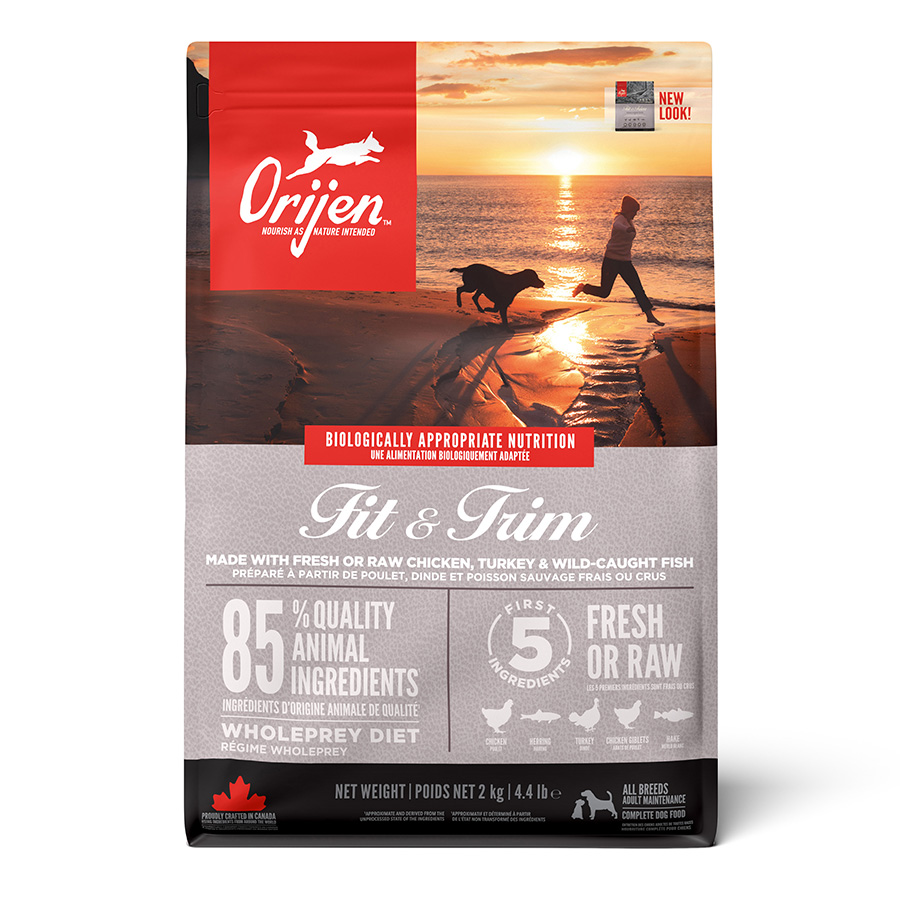
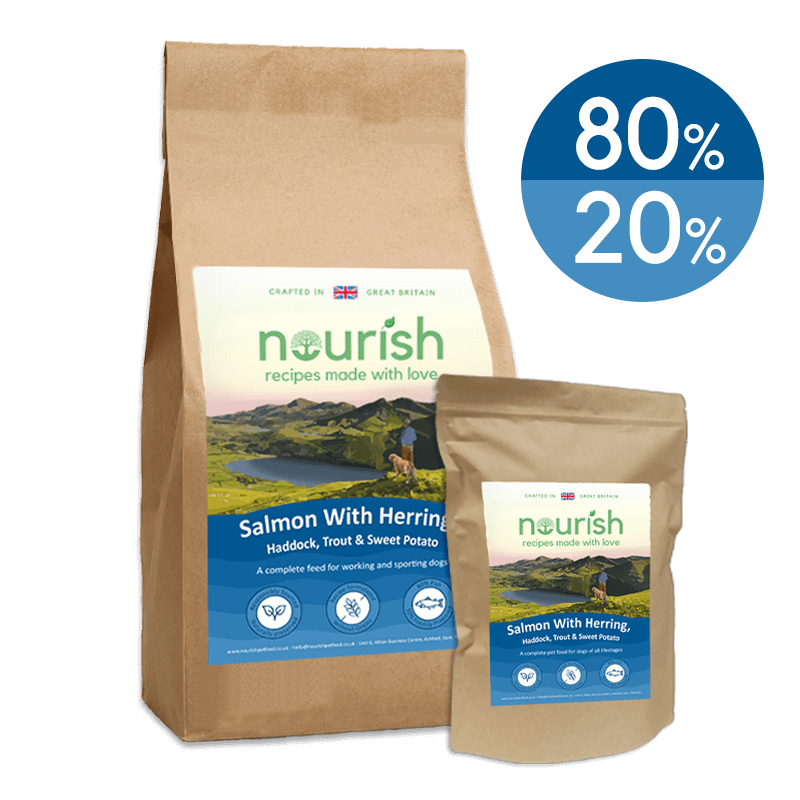
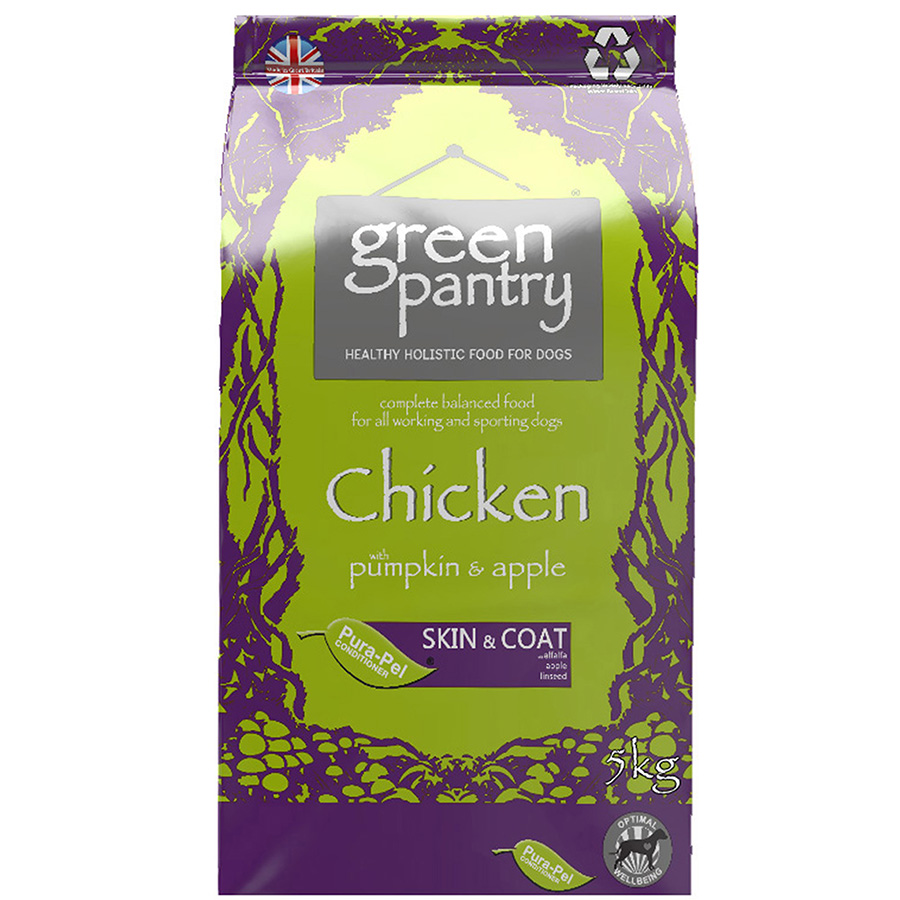
Taken from the maker’s page, checked 28 Sep 2026.
From the maker’s website. The ingredients and analysis here are the maker’s current label, from their product page, checked 28 Sep 2026. Shops may still stock packs with the older recipe.
Page we read, saved 4 Oct 2026: AATU (the maker).
Score method v6.1.0 · ingredient notes v2.4.0
Report a mistake